Skip to product information
1 of 2

Whitwam Organics

Pea-Pigeon Pea

Pea-Pigeon Pea

Regular price $9.19 USD
Regular price Sale price $9.19 USD
Sale Sold out
Shipping calculated at checkout.
Seeds or Plants
Size
Quantity

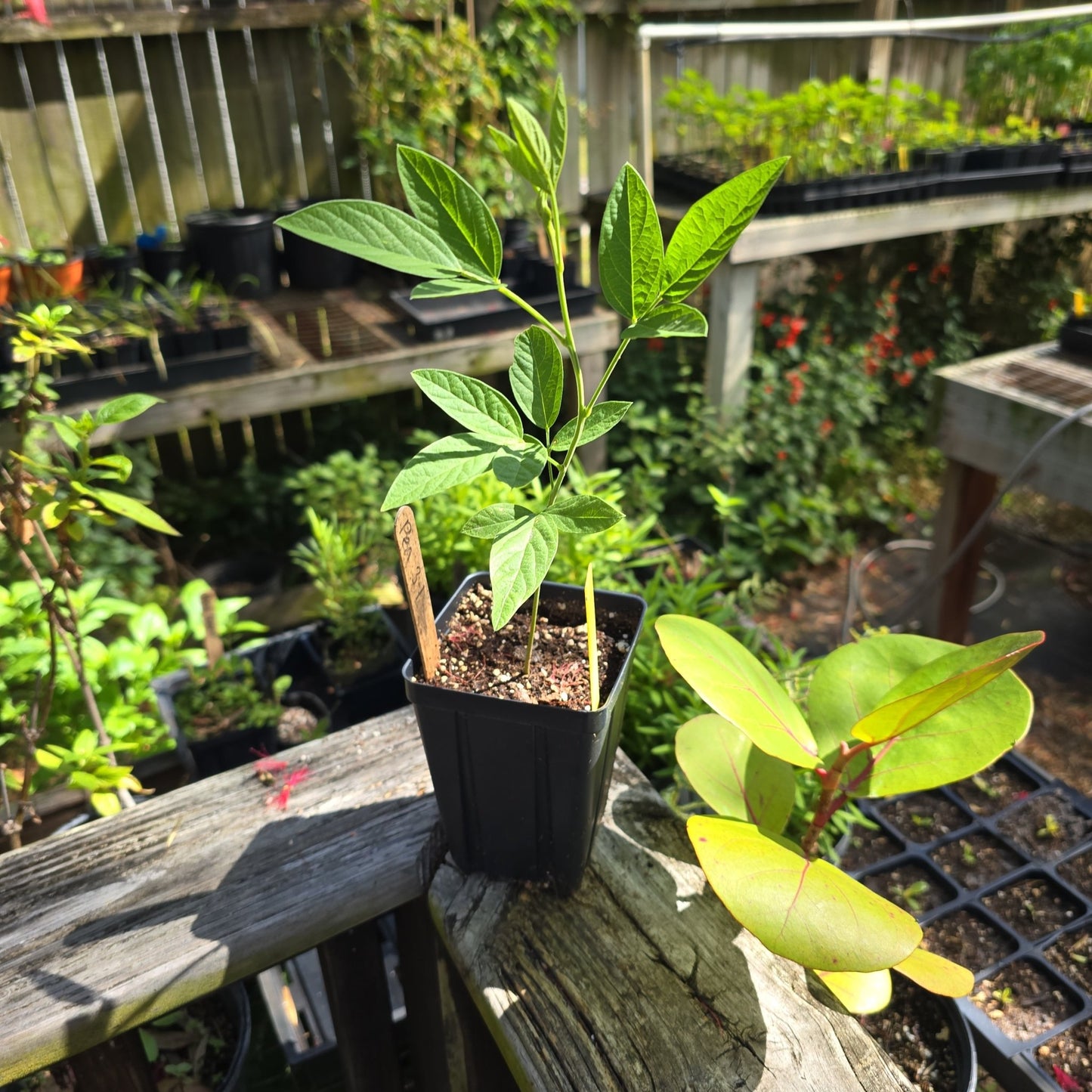
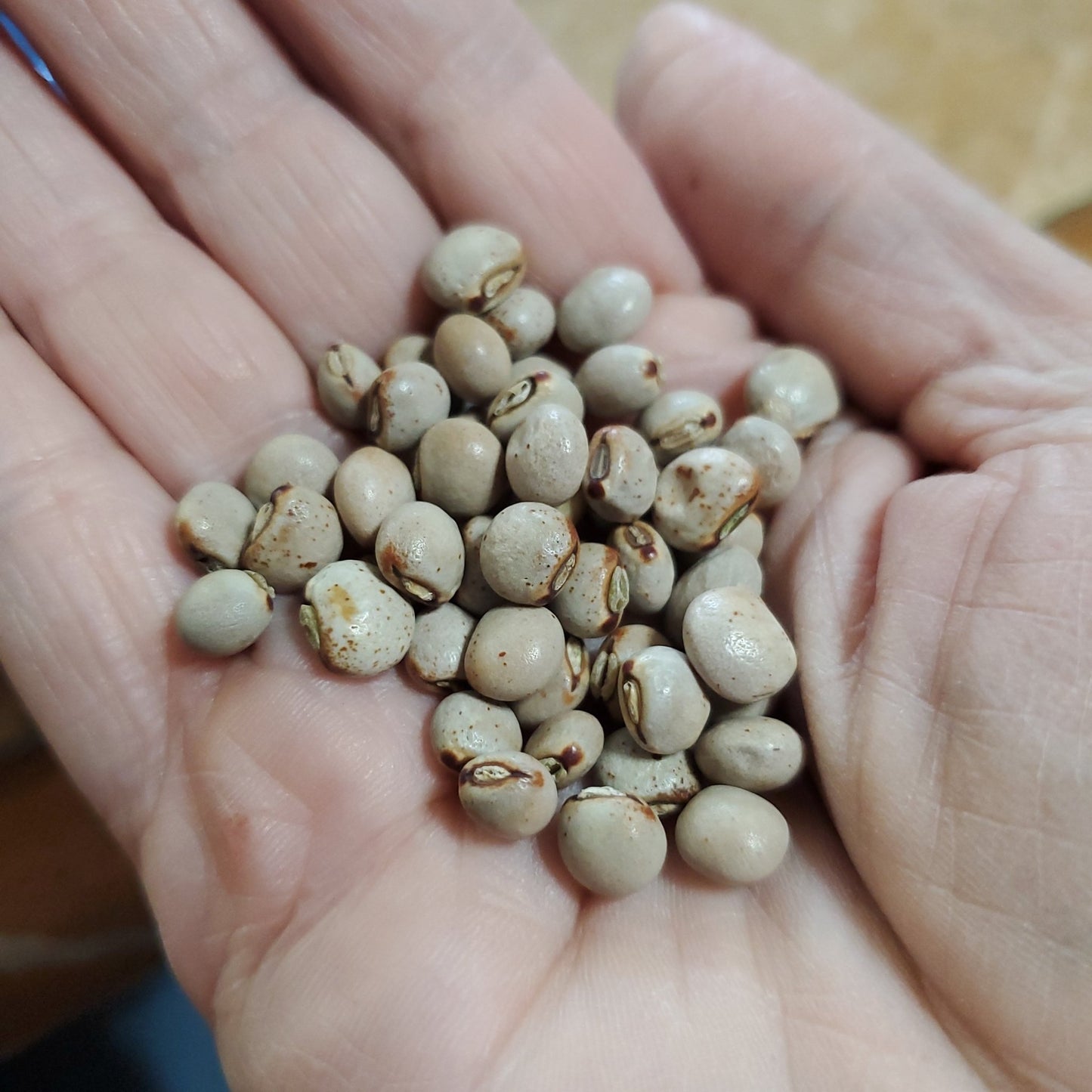
Pea-Pigeon Pea

Cajanus cajan

     Pea- Pigeon Pea is a woody shrub that grows in tropical and subtropical regions for a variety of purposes. It has a limited lifespan (2-4 years) and is said to be one of the earliest cultivated plants. Because of its deep taproots, it can survive drought and bad soil conditions. Pigeon pea seeds, seedpods, stem, and young shoots are all edible. Pigeon pea plants are used as a green manure crop. The stems are used to make baskets and are used in thatching. The wood is used in the building of light structures.  The peas themselves are a common ingredient in many popular dishes throughout Florida, the Caribbean's, and Central America.  I like to harvest the entire pods slightly on the green side, and steam them, add salt and eat them like edamame.

Days to germination

 10-15 days

Days to maturity

145-180 days

Life cycle

Short lived perennial killed by cold temperature

Plant time

Early Spring, Spring

Spacing

48-60 inches

Sun

Full sun

Soil temperature

65-86 degrees

Optimum soil P.H

4.5-8.4

Height

1-2 m

Harvest

Summer or year-round in most of the state. 

View full details

We Help Create & Maintain Flourishing Gardens

We empower people of all ages and experience levels to grow their own food through providing support during every step of the process.

What customers say

  • “Great local Company! I had a larger order of compost soil delivered and it was quality and clean!”

    Megan Skye Hunter
  • “Plants came in great condition. Dave responds to every question and concern within 24/hr of email. I will order again.”

    Erica luft
  • “Very healthy Tomato plants arrived quickly and well packaged. I will definitely be ordering again.”

    Carol Chewning
  • “So glad Plants were packaged very well as delivery driver did not read the live plants notice. Without the extra packaging the plants would not have survived.”

    Dick-Jean Bruce
1 of 4