If you have any issues with the website Click here
We may be having intermittent issues with our website. The only way for us to fix any issues is to catch them in real time. For helping us troubleshoot any issues, we will give you 20% off your order. If you are experiencing any issues such as slow load speeds, trouble adding items to your cart, trouble accessing your cart, trouble checking out, or anything else that may be an issue, please call (813)803-0024 or email (info@whitwamorganics.com) right away. Even if you are not experiencing any issues, you can still receive 20% off if you call or email us before you reach checkout.
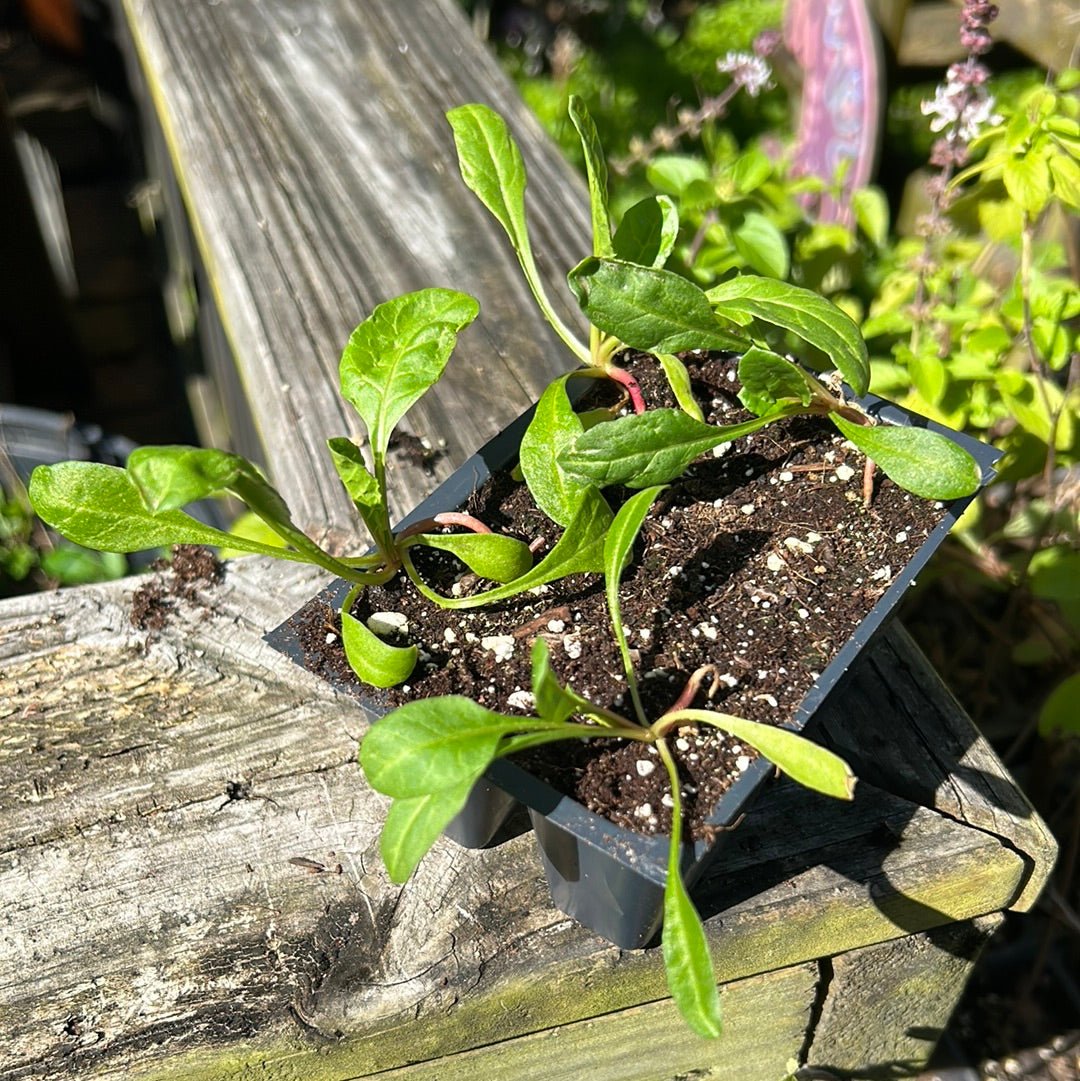
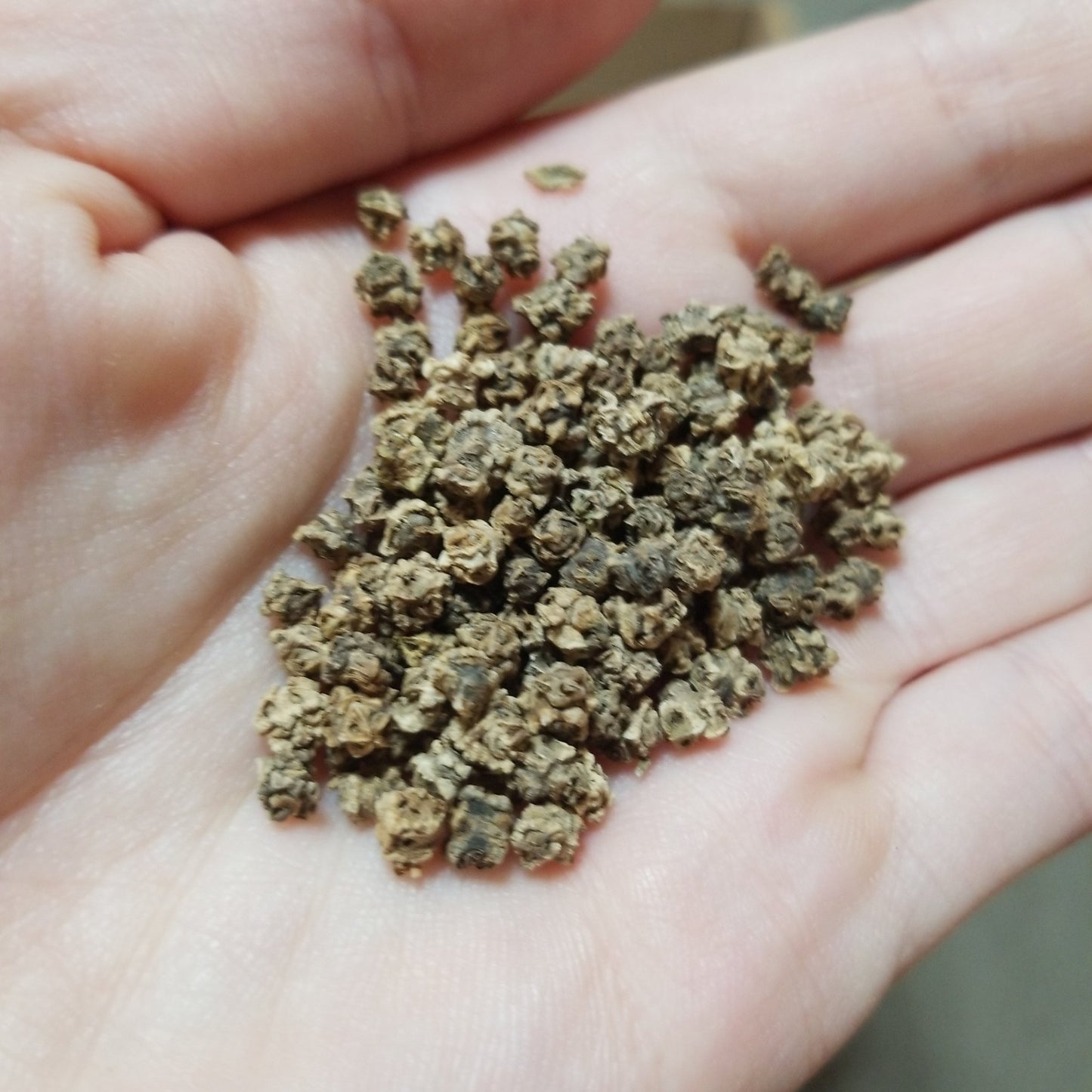
Perpetual Spinach Leaf Beet, also known as Spinach Beet Chard, and Umaina in Japan, is a hardy, vigorous, and heat tolerant producer, of smooth, shiny and dark green leaves with a white midrib ("leaf stem"). This variety was bred to have minimal stem and maximum leaf production and is a great choice for gardens with limited space, because it is one of the most productive and low maintenance garden vegetables. Here in Tampa, we pretty much grow this one year-round. One of my favorite qualities of this vegetable, Perpetual Spinach forms multiple growth nodes along its main stem way earlier than it's chard cousins. What that means: you will have more access to more "baby leaves" on each plant, which is my favorite way to eat chard.
Days to germination
7-12 days
Days to maturity
55-65 days
Life cycle
biennial
Plant time/Harvest
Plant in the Spring for crops through Summer and Fall; Late-Summer planting for heaviest production over winter and through the next spring
“Great local Company! I had a larger order of compost soil delivered and it was quality and clean!”
Megan Skye Hunter
★★★★★
“Plants came in great condition. Dave responds to every question and concern within 24/hr of email. I will order again.”
Erica luft
★★★★★
“Very healthy Tomato plants arrived quickly and well packaged. I will definitely be ordering again.”
Carol Chewning
★★★★★
“So glad Plants were packaged very well as delivery driver did not read the live plants notice. Without the extra packaging the plants would not have survived.”
Dick-Jean Bruce
1 / of4
Choosing a selection results in a full page refresh.