Need help placing an order or choosing products? Click here
Need help placing your order or choosing the right products? We are happy to help.
Call us at (813) 803-0024 or email info@whitwamorganics.com during business hours, Monday through Friday, 9 AM to 5 PM.
We can help with product recommendations, answer questions, or walk you through placing your order online.
If you are having any trouble with the website, adding items to your cart, accessing your cart, or checking out, please let us know what is happening so we can help.
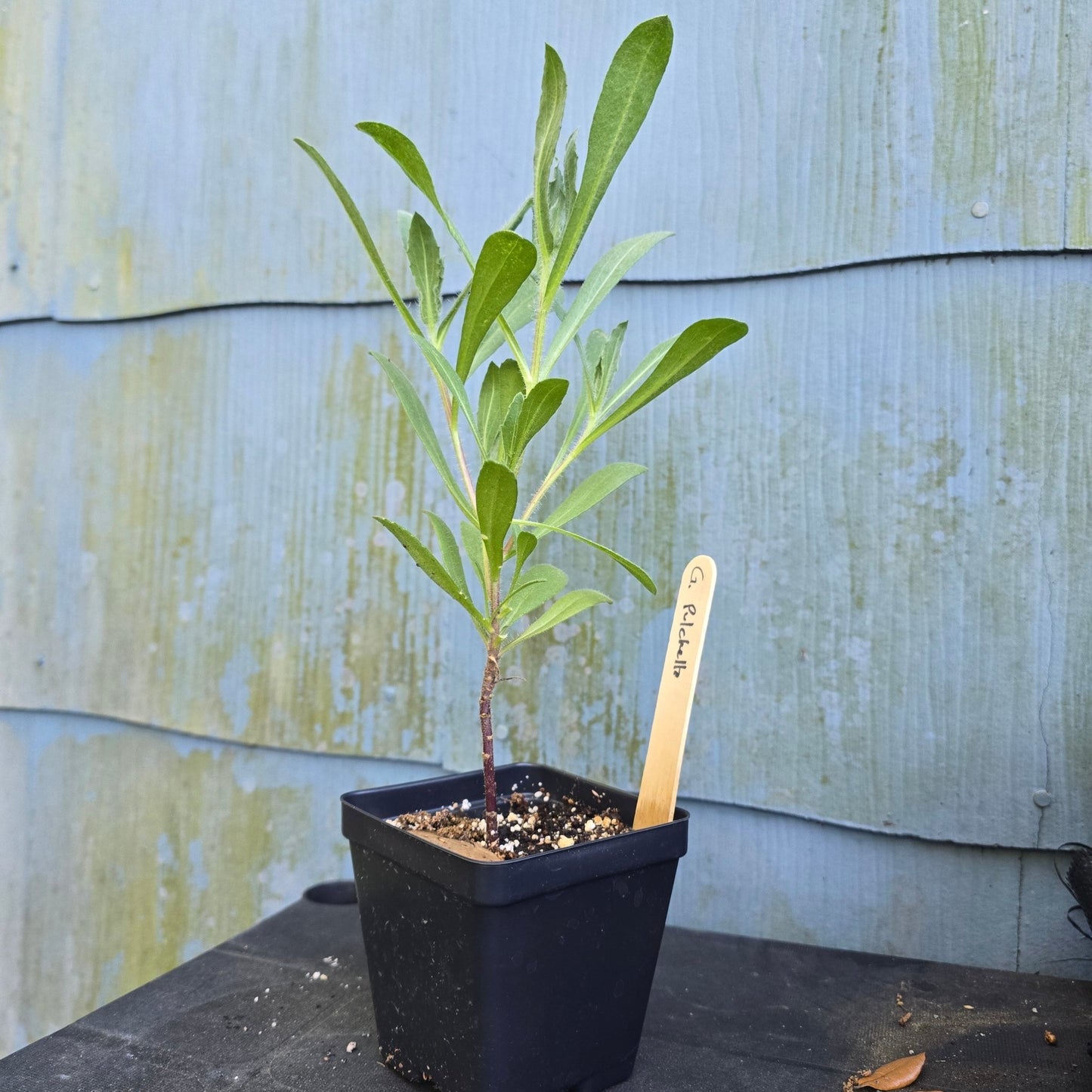
Gaillardia-Indian Blanket Flower G. pulchella (Florida Friendly)
Blanket-flower, also known as Indian blanket or Fire wheel, can be found in dry savannahs, coastal dunes, and other dry, open areas in Florida. In North Florida, it blooms in the spring, summer, and into the autumn, while in Central and South Florida, it blooms all year. Its vibrant blooms entice a wide range of pollinating insects. The ray florets of blanketflower are typically bicolored, with an inner red band and an outer yellow band. Flowers may also be entirely red or yellow, have an inner band surrounded by a white band, or be entirely white or yellow on special occasions. Occasionally, ray florets are tubular, meaning they are small at the base and flare out like trumpets. The diskflorets in the flower's middle range from dark red to purplish.
“All items arrived quickly and well packaged. I usually expect to have one or two live items out of a batch, but they are all thriving. I couldn’t be happier!”
David L.
August 2026
★★★★★
“My live plants were packed like they belonged in Ft Knox. 😂 They really were packed beautifully. Only one plant, a bee balm, is questionable but signs that it will recover are happening. All in all I am thrilled with my plants and seeds. Some of my coreopsis have already sprouted!”
Jacquie R.
September 2026
★★★★★
“Plants were ready quick at a good price with great packaging. Very happy with my purchase.”
Will B.
May 2026
★★★★★
“I’ve ordered seeds from Whitwam Organics 3 or 4 times now. I love the simple packaging, clear planting guidelines, and variety they offer. Great germination rates!! The bare root plants I’ve ordered have come healthy, so healthy that the wild rabbits always approve of my menu upgrades! 😂🐰”
Chanda B.
August 2026
1 / of4
Choosing a selection results in a full page refresh.